Category: Counselling for Expats

  • Lonely in Relationship with an Emotionally Unavailable Partner

    Lonely in Relationship with an Emotionally Unavailable Partner

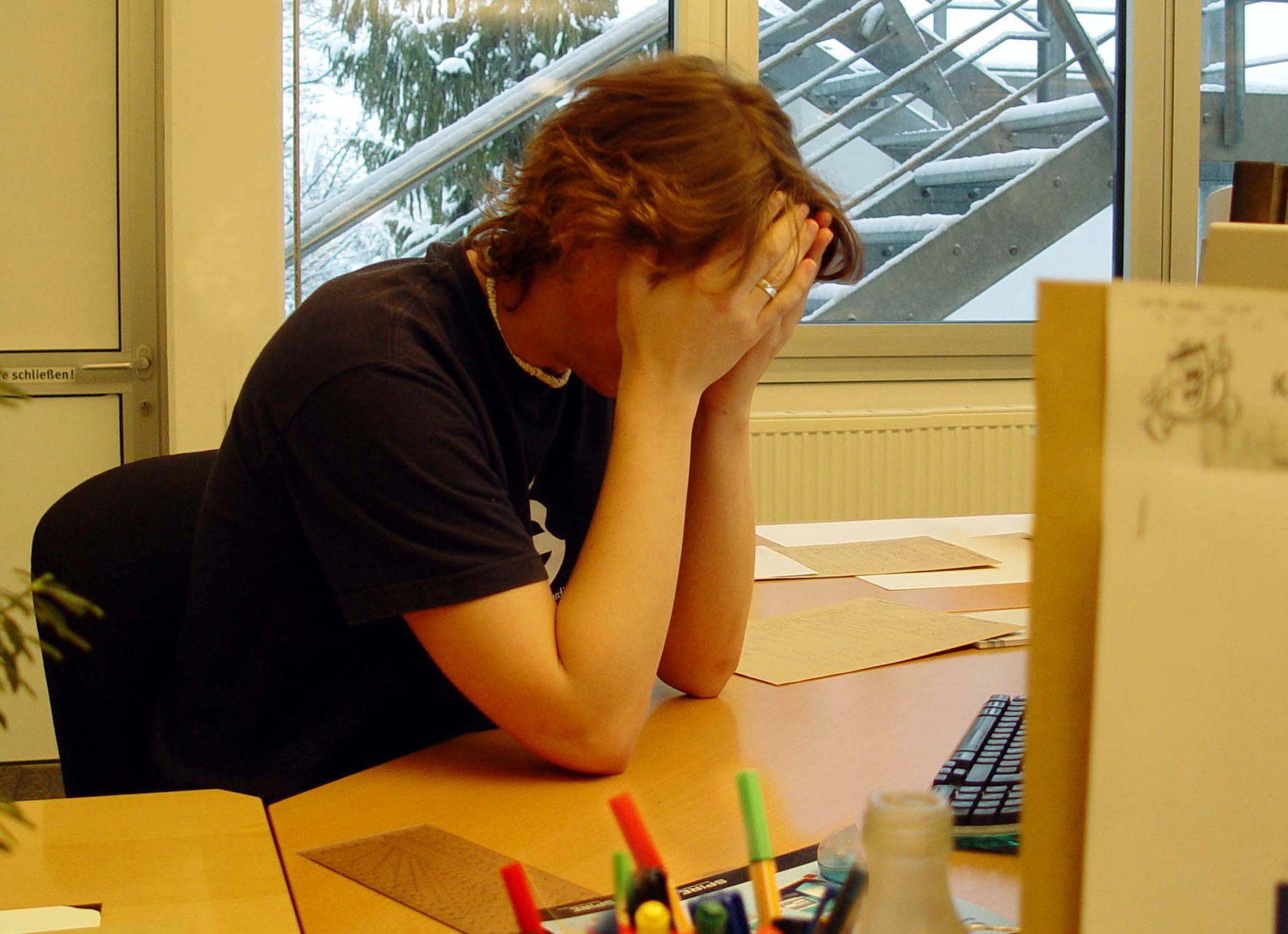
    Moving to a new country to be with your overseas-born partner can be an adventure. But it’s not always possible to foresee the difficulties and challenges ahead. Feeling lonely in relationship with an emotionally unavailable partner often creates a sense of neglect, particularly when dealing with the stress of unfamiliar culture. You might start feeling unloved if the person you thought was the love of your life turns out to be emotionally distant.

    It isn’t easy to manage these emotions while isolated. You can’t control other’s actions but it is possible to prioritise your own emotional well-being and decision making. Professional support can offer a path to recovery, empowerment and renewed motivation while acknowledging the importance of focusing on personal healing.

    Feeling lonely in relationship with an emotionally unavailable partner is common when moving to a new country.

    Understanding Cultural Differences

    Getting used to a new culture means more than just learning the language and customs. The nuances of communication, social norms and how people relate to each other can vary significantly from place to place. In many Latin countries kissing on the cheek is common whereas this isn’t so acceptable in northern Europe. When I first moved to Stockholm, I was surprised to find that people generally introduced themselves. In Australia and in British culture, we tend to wait to be introduced.

    This adjustment process, in addition to not understanding the language, can leave newcomers feeling isolated and misunderstood. Developing cultural competence takes time and patience. This can impact existing intimate relationships. It is not unusual to experience a sense of disconnection after moving overseas to live with a partner in their home country. This is an additional stressor, intensifying feelings of loneliness. But the stress of relocation itself can physically manifest as hair loss, insomnia, body tension, irritability, digestive issues and mood swings. When empathy from a partner isn’t forthcoming, support from a professional coach who understands the cultural landscape can provide insights and strategies for navigating these challenges and managing stress.

    Dealing with Relationship Problems with an Emotionally Unavailable Partner

    Perhaps you only recently became aware of unresolved conflict in your relationship? Relocating to a new country has a way of amplifying existing partner problems. Communication breakdowns, avoidance and differing expectations all contribute to feelings of loneliness and emotional neglect.

    You might have already tried, unsuccessfully, to change your partner’s behaviour. You might have found they are resistant to any requests for change. Or you might actually be experiencing subtle or overt abuse or manipulative behaviour like gaslighting or other forms of coercive control. If you are doubting yourself or feeling confused there isn’t necessarily anything wrong with you. Anger and frustration are ways your body informs you that something is going wrong. Listen to your body and reach out for help.

    Make an appointment to discuss an emotionally unavailable relationship

    Communication breakdowns, avoidance and differing expectations all contribute to feelings of loneliness and emotional neglect

    Regaining trust in yourself is important if you are going to survive a toxic relationship. Counselling offers a safe space to explore these difficulties openly and constructively. You might not be able to influence your partner but you can work on your own assertiveness and boundary-setting within the relationship. If you reach a point where you realise you are feeling lonely in relationship with an emotionally unavailable partner, professional support can assist. Online counselling can support you in marital separation, the grieving process and provide a means to plan the way forward.

    How to expose covert abuse, coercive control and gaslighting

    Cultivating Self-Compassion and Resilience while Feeling Lonely

    An emotionally unavailable partner can trigger feelings of loneliness which can, in turn, erode your trust in yourself. In my work as an English speaking coach and counsellor I’ve met many people who have disclosed low self-esteem. I call it having a bad relationship with yourself. Low mood can cause you to struggle with managing everyday life in a new country. Prioritising your well-being is a better starting place than treating normal human difficulties like a mental health disorder.

    Cognitive-behavioral therapy (CBT) and mindfulness-based practices can be applied to increase awareness and feelings of self-control. Self-compassion is an approach to that builds resilience, increases your ability to cope and fosters healing. If you are self-sabotaging with criticism and behaviour you later regret, there is a way forward that doesn’t involve pulling yourself down.

    If you are self-sabotaging with criticism and behaviour you later regret it could be that you are feeling lonely in relationship with an emotionally unavailable partner.

    The role of a self-compassion coach or counsellor is to encourage you to be a friend, not an enemy, to yourself. Feeling lonely in relationship with an emotionally unavailable partner is not uncommon. You are not alone in what you are experiencing, others have navigated through similar problems and there is much to be gained from their stories. And however overwhelming it may seem, you are also more than the emotional state you happen to be experiencing right now.

    Finding Professional Support and Making Connections in a New Country

    Loneliness evolves from a lack of meaningful connections and support. Cultivating a social network does takes time and sometimes it can feel too hard to begin. You can take smaller steps which are easier. It helps to have encouragement and guidance on the way.

    Feeling abandoned or neglected by an emotionally unavailable partner need not determine your identity. If you have relocated to a new country and would like to talk through the problems in your intimate relationship, send an enquiry today. As an English-speaking Australian therapist I offer online therapy with people not only in Swedish cities like Stockholm and Gothenburg but in cities around the world including Hong Kong, Tokyo, Seoul, Shanghai, Sydney, Buenos Aires and Rio de Janiero. You’re welcome to contact me and take the first step in recovering your motivation and enjoyment of life.

    Book an online counselling appointment

    Loneliness evolves from a lack of meaningful connections and support.
  • Online Therapy or Face to Face Counselling?

    Online Therapy or Face to Face Counselling?

    Meet with me online or face to face in Stockholm

    For in-person ‘face to face’ therapy, counselling and coaching in English, click here 

    For online counselling with an English speaking therapist and coach, click here

  • After-Hours Counselling for Expats, Nightowls and Early Birds (in English!)

    After-Hours Counselling for Expats, Nightowls and Early Birds (in English!)

    After-hours counselling and therapy in Stockholm, Gothenburg and Malmo is hard enough to find for locals. And the few English speaking psychology services available in Sweden also tend to operate during business hours. Online therapy and counselling is a perfect way for expats in Sweden to fit in a private consultation before work or when settling down for the evening.

    Your Body-Clock: Are You an Early-bird or a Night-Owl?

    We all have our own body-clock, sleep patterns and energy rhythms. Some are early risers, getting out of bed at 5 in the morning and using the time to do their own thing or to arrive at the office before everyone else. Some are ‘night-owls’ (I work with a lot of night-owls) who stay up to all hours of the evening online surfing the net, using social media, sending emails watching tv or reading books.

    There are times when our preferred sleeping and waking patterns seem to clash with work schedules or the seasons. Nowhere is this truer than in the nordic countries, which have such extreme differences of daylight between the summer and winter months. A lot of expats, for example, find they have trouble sleeping when they come to Stockholm. The extra light in summer can leave them feeling over-tired while the darkness of winter leads to restlessness. But if staying up later or starting the day earlier than the average person suits you, why not use the time productively?

    During winter months, from October to May, I have consultations with my ‘night-owls’ starting at 9pm (21:00) Central European time and even later. For many of my clients, this is the perfect time to talk about what is troubling them or to find ways forward with what they are trying to achieve. But not everyone wants to stay up late. Earlybirds are welcome to book a time from the early hours of the morning in winter (even as early as 5am) up until 8:45am. Some people choose to go into work a little later in the morning in winter, and starting with a coffee and chat on webcam provides a good way to get focussed too. My online clients appreciate being able to talk with an English speaking therapist outside business hours.

    The Advantage & Benefits of After-Hours Counselling for Expats in Europe

    Privacy is the first thing that comes to mind for many people when booking an appointment online. I’ve worked with many individuals in high profile careers and quite a few celebrities as well. Being able to discuss personal concerns with a guarantee of confidentiality is a distinct advantage of meeting with a professional therapist over webcam. There is no clinic to attend, no waiting room, no need to explain to colleagues and no way to be seen publicly. You can meet from an office or your own room at home. I don’t just work with people in Stockholm or Sweden this way, but expats in Paris, Geneva, Berlin, London, Madrid and Copenhagen as well as cities in Asia and the Middle East.

    Meeting with a therapist online also means efficiency for the time poor and busy. Many of my clients in Stockholm have young children, and making an appointment at 9pm or later means they can put the little people to bed before we start talking. The advantages of after-hours counselling later in the evening extend to not having to cancel when something urgent comes up on the job and they have to stay back a couple of hours. The early birds say that having a counselling session in the morning helps them to offload some stress and emotion before they start work. Not having to travel to a counselling practice saves time.

    Finally, years of working as a counsellor in person has demonstrated to me that crossing the initial threshold to the therapy room is the hardest step for many people. I know a lot of you who are reading this blog will delay coming to see me, sometimes for up to 6 months or more. You might even be unsure how to choose a therapist. My advice to you is to bite the bullet and start now. You will probably feel better sooner if you start sooner. Contact me now and let me know you want to make an appointment. Online counselling and therapy is convenient.

    Online psychology: Accessing Experience, Intuition and Wise-Counsel

    When I was studying mindfulness meditation, one of my teacher explained a model of decision making that has been effective for me ever since. He said we can draw on 3 sources:

    • Our own Experience
    • Our Intuition
    • The Counsel of the Wise

    I’d say the purpose of talk therapy is to help you connect with all 3. We can discuss what you have learned from your life to date. We can talk about your gut-feelings and what those are telling you (and how to make more sense of your emotions). And you are welcome to ask my advice or join me in exploring the advice of others. This can involve conversations about other advice-givers, self-help ‘sages’ or what I call Experience-Consultants: those who have already been through similar experiences and life journeys.

    You don’t have to do any of this alone. Whatever you are struggling with – counselling for a relationship, for separation or divorce, mood swings, anxiety, ongoing depression or adjustment to life in Sweden – talking it through can help. No matter if you are in a large city like Stockholm or Malmo, or a smaller town like Lund or Umeå (or even another city in mainland Europe), you can access therapeutic conversations at a time convenient to you. From October to May, I am available for after-hours counselling late evenings and early mornings (between 9pm – 9am), especially for the night-owls and early birds. Take a look at my online options.

    If you want to know more about after-hours counselling, or you are ready to make an appointment, send me an email.

    And if you think someone else might benefit from this post, please share it on Twitter or Facebook today.

  • “Tools for Better Living”: 6 English Speaking Coaching Sessions for Expats in Stockholm and across Sweden

    “Tools for Better Living”: 6 English Speaking Coaching Sessions for Expats in Stockholm and across Sweden

    This fall I’m offering a flexible course that combines both coaching and counselling in a short series of consultations. These sessions are designed specifically for expats and other English speakers seeking direction. Are you looking for some tools for dealing with change or adjustment? Interested in taking a series of sessions to kick-start your motivation? Read on!

    Those of us who have been expats in Stockholm for a number of years know the winters can be tough. Swedes know it too and, although most of them have grown up with the darkness and cold that comes with a Swedish winter, many still struggle. Whether you are in your first few years of living in Scandinavia, or you have lived here all your life, there is good sense in using the autumn to prepare psychologically and emotionally for what is to come.

    6 Sessions of Coaching or Counselling, 5 Suggested Themes

    This series combines the approaches of Cognitive Behaviour Therapy (CBT), Narrative Therapy, Motivational Interviewing, Life Coaching, Relaxation Strategies, Skills Training (including Stress Management and Communication Training) and Mindfulness. I’ve based it around a presentation of the most common psychological tools I use in my practice but will tailor it to suit your circumstances.

    My approach is based on the idea that, through conversation based meetings, we develop ideas and strategies together that neither one of us might have envisaged using before. In this way, you bring your skills and knowledge as a contribution to the sessions and I also introduce theories and tools as possibilities for you to start using. Of course all the sessions and everything you say to me is confidential.

    The plan below is a guide only and we can modify it according to your needs.

    Want to know more already? Email me!

    #1   Who Am I?

    Our sense of identity can be quite important to how we manage in new situations or cope with change. Who are you and what has contributed to your sense of yourself, particularly since you moved to Sweden?

    The first appointment is a kind of assessment where together we discuss what you would like to cover in the course of sessions and share whatever aspects of your story you would like to tell me. You also have the opportunity to ask me any questions you would like answered. At the end of the session I can give you an interesting identity-based task to take away and complete in your own time, if you like. ‘Homework’ is always optional. Some people want it and some don’t, so you can make the choice.

    If you would like to know more about me in advance, read the About Ash Rehn page on this website. And I welcome you to contact me prior to the session if you would like to know anything more about me. It is important that we can work together and for you to feel a sense of comfort during our meetings.

    #2   Recovering Energy, Motivation and Establishing Routines

    It is not unusual for people to want to meet with a coach or therapist when they are at, or have been at, a low ebb. I’m used to seeing people struggling with motivation, lacking energy or feeling like they have failed. At the same time, it is not always that way. It can be more like chaos that needs sorting out. So part of our work together might be looking at what you want or what you appreciate about your life or what you need. Sometimes this involves considering your ‘vision’ for life. Sometimes people feel stuck, sometimes they feel lost, sometimes they just want me to help them sort through ‘stuff’ or ‘issues’. Whatever the case is, we can discuss it together.

    #3   Managing Stress, Coping and Empowerment Strategies

    How you deal with change often depends on your past experiences, the techniques you have learned or the resources you have at hand. In our sessions we can consider the skills you are using now as well as what you might need to recover or discover. If you are caught in some Mind Traps (cognitive distortions in thinking) we can identify these and determine alternative psychological strategies to help you escape or re-establish balance. I can also show you some physical practices you can use at any time to reduce anxiety and your stress response.

    #4   Career / Relationships / Friendships / Family: Planning and Goal Setting

    Would you like to show me what your life looks like now and what your ideal life would be? Often this can be a way of envisaging the future as well. Collaborative consultations can offer the first steps forward to making changes across a number of the aspects of our lives. Together we can explore changes you want to make in any or all of these areas and what might be required for moving forward. It tends to be much easier to do this in collaboration.

    #5   Improved Communication for Relationships

    Frustration and Anger are two of the most common emotions I discuss with people who meet me in Stockholm or online. If our needs are not being met, we can find our emotions about certain events and incidents spilling into other aspects of our life. And that affects our relationships. Taking an alternative approach to your standard way of communicating is one way to lower the frustration you are experiencing. I can show you some other possibilities and we can practice these in the sessions.

    #6   Awareness, Acknowledgement, Acceptance and Building Resilience

    It is not generally possible to change everything overnight. Meeting and having a conversation about what concerns you can also be a way of tapping into some other perspectives. Part of this work is about holding onto what you have learned or discovered. Part of the coaching can even include awareness-building techniques like Mindfulness. In these 6 sessions, I offer a start to a process that can take you in new directions. You might decide to continue with something new we discover together during our work or you might even decide to continue with me. With your permission, I will follow up by email at least twice over the 2 months following the series. If you want to continue, we can discuss the possibilities to keep going, what you have achieved and what might remain outstanding.

    Pay as You Go or Save with a Package of Sessions

    This flexible course is offered as pay as you go or you can receive 6 sessions for the cost of 5 if you pre-pay the series. You can attend just the first session and decide if you want to continue with no obligation to pay for more. You are welcome to decide a few days after the first appointment whether you want to pay for the whole series or pay as you go. I do ask for a deposit of 200 crowns for the first appointment but you have 7 days from the session to pay for the balance. Please contact me for further details of the fee.

    No Guarantees or False Promises, but Possibilities, Opportunities and Open Dialogue

    It would be quite unethical of me to make false promises about how successful this short series of appointments will be for you, particularly when I have not yet met you. So I don’t offer a guarantee that you will achieve everything you ever hoped for in just 6 sessions. But I do offer to be fully present with you for the sessions and to work collaboratively with you in ways you find comfortable.

    It is my professional experience that once people start talking, what they are struggling with often changes or even dissolves. It does not happen at the same pace for everyone, but making a start will give you a better understanding of what might be required. I have chosen a framework of 6 sessions as many people find this is just enough to launch them into self-sufficiency. The relief of talking to a professional in a confidential setting can be influential, as can the possibilities for dialogue, acknowledgement, exploration and even confession.

    Share this on Facebook with your Friends or Twitter with your Followers

    Ash Rehn QindsmBook Now to Secure Appointment Times

    • A limited number of these sessions are now available daytimes and evenings during September and October.
    • Sessions are available both in-person ‘face to face’ in Stockholm and ‘face to face’ by Skype webcam (or audio-only if you prefer).
    • Possibilities for continuing include the option of email counselling once the course is concluded.

    Make an enquiry about available times and fees now through my contact page.

    I look forward to hearing from you!

    Ash Rehn BSocWk, MA, MAASW (acc.)

  • Relationship Counselling: Ending the Blame Game for Better Communication

    Relationship Counselling: Ending the Blame Game for Better Communication

    How often have you been in a situation where your partner has blamed you unfairly or found fault with everything you say? Constant put-downs and negativity mean criticism is thriving in your relationship. Here are some ideas about how to nip them in the bud and start having better communication with your partner.

    First up, let’s talk about language. I prefer not to use terms like ‘critical people’ or ‘blamers’. Anyone can fall into speaking critically of others. Criticism can take the form of always pointing out what is wrong, constant negative comments or picking fights. If it’s coming from your partner, it could be a sign of unhappiness of lack of fulfilment. But don’t take it personally: people who have been taken over by criticism are generally in a bad way!

    Send me a question or enquiry

    Criticism: You Can’t Fight Fire with Fire

    When criticism and negativity becomes obvious, it’s time for action. But you can’t fight fire with fire. Imagine reacting to criticism with criticism… it doesn’t work does it? Most of the time when we are burning up with criticism we aren’t even aware of it. Pointing it out can just fan the flames. We need to be a little more strategic.

    Start by checking your own reactions. To reduce the physical stress response, breathe deeply into your abdomen and relax your muscles as you listen to what your partner has to say. Accepting criticism is like receiving a gift that you don’t need. There’s no need to take offence. Just don’t catch the negativity being offered. If you react to criticism, you have basically engaged with it. And if you react critically, you have lobbed it back. Ever heard the expression ‘someone is going to lose an eye’? Once we are playing the blame-game, we have already lost perspective.

    Non-Violent Communication


    One way of changing your response to criticism is to indicate you have heard what the person has said and you need time to consider it. This way, you keep some distance between yourself and the remark. The idea comes from Non-Violent Communication or NVC, an approach developed in the 1960s that involves awareness, expressing feelings and asking for what you need. I recommend the above book ‘Non-Violent Communication: Practical Skills to Connect and Communicate Skilfully in Every Situation‘ that describes this approach in detail. With practice, anyone can improve their communication but it’s important to be assertive and have boundaries. If you are in a situation of physical danger or abuse, don’t stick around. Get out and get help.

    There are a few simple things you can start doing now to change the existing patterns of your relationship. If this interests you, read on!

    Call or email me now for an appointment

    A repeated scenario I have witnessed in relationships is one partner putting aside their own needs to try to meet the needs of the other. Which of course doesn’t work too well. It usually ends up with the self-sacrificing partner feeling resentful when their own needs aren’t met. But we can’t neglect our own needs!

    Does this sound familiar to you?

    The situation generally worsens when both partners suppress their feelings and ignore their own needs to try to make each other happy. Both can end up feeling trapped and not knowing what to do. At the same time, the solution isn’t just about looking after one’s own needs. When in a relationship, we have to find a way to be with the other person. We have to be aware of our own emotions and look after our own needs but remain conscious and sensitive to the other person’s feelings and needs as well. It’s not easy, but when both people are generous with each other, it tends to expand the sense of the relationship. If both partners are tight and mean towards each other, everything tends to get worse and worse.

    From Blame-Game to Generosity

    If you’ve ever found yourself ‘playing the Blame Game’ with someone, you will know the story. We can get caught in a cycle of blaming the other person or blaming ourselves for a silly mistake or the unpleasant emotions we are experiencing. Non-Violent Communication offers a way forward through taking responsibility for – and expressing – our emotions while empathetically listening to the other person’s feelings and needs. Partners can’t always meet our needs. We sometimes have find ways to meet them ourselves but still communicate them to our partners.

    Finally, there is always the possibility your partner may be right, even if the way they are saying something is not ideal. Working out what to take on board isn’t always easy. I offer confidential appointments in English in Stockholm, online counselling over Skype and through email. Fill out my contact form to make a start on improving communication. To break the ‘blame game’ pattern in your relationship, contact me today through www.ForwardTherapy.se or call me on 08 559 22 636.

  • Swedish Culture Shock: 5 Practical Ways to Deal with Stress

    Swedish Culture Shock: 5 Practical Ways to Deal with Stress

    Providing counselling services for expats in Stockholm, I’m often helping my clients to manage and find ways to relieve stress. This stress might be related to cultural factors including the difficulty many report in making friends with Swedes or it could be to do with a close relationship or marriage. It can be associated with a combination of factors, for example work pressure, unfulfilled hopes or plans, perceived expectations or the adjustment to a new life in Sweden. The impact of stress isn’t always obvious.

    People come to me wanting new ways to think or ‘mental tools’ for dealing with their circumstances. But regularly I meet people who so stressed-up, they can’t think so easily, in new ways or old. This article is about some very basic things you can do to manage stress. If that interests you, read on.

    Stressing out? Ask for a consultation now!

    5 Ways to Manage Stress

    Here are 5 fundamental steps you can take to start getting back in control of the stress in your life. These tips are recommended by doctors, psychologists and major organisations like the British NHS (National Health Service).

    1. Eat well.

    When we don’t refuel our bodies regularly, our physiology can go into a stressed state and our more subtle cognitive (thinking) capabilities can be adversely affected. It’s much harder to problem solve when hungry, for example. On the flipside, using food to numb emotions can lead to overeating and unintentional weight gain. Aim for a balanced diet and regular nourishment.

    2. Ensure you get enough sleep.

    Sleep is regenerative and gives us a chance to let go of tension. It’s the body’s passive way of regularly relieving the effects of stress and becoming refreshed by allowing the brain to go into ‘quiet mode’ so we regain physiological balance. Of course sometimes stress can also interfere with sleep, in which case we don’t get the regular physical and mental refreshment we need. If your sleep is affected, develop a routine to support sleeping (google ‘Sleep Hygiene’). Sleeping tablets are not an ongoing answer, but if you are severely sleep deprived, you might need to discuss this with a GP. There are also gentle herbal treatments that some people find helpful.

    3. Take regular exercise.

    Exercise is a great way to shake out the effects of stress. When we exercise, we are directly working on our physiology and we can reverse the automatic stress response that happens to us when we are under pressure. For those of us from warmer countries, in the winter it can be difficult to find the motivation to exercise in Sweden and not everyone lives in central Stockholm or has access to indoor gyms and fitness centres. But even a short walk can make a difference and is better than nothing.

    4. Put some structure in your day.

    We all need to offset work with rest and play. Again, this can be difficult for expats without strong social connections. When we are trying to do the same thing for too long each day, the consequences are usually boredom, frustration and irritability or depressed mood. Everyone has chores they have to do (things like shopping, cooking, cleaning, washing etc), but without the balance of imaginative activities, our stress reactions can take over. Planning some exercise, social activities and time for creative interests around your work and non-negotiable commitments will help to make sure you stay on top of stress.

    5. Talk about your problems.

    It might sound like a cliche, but sharing problems and feelings really is a release valve for stress. It works differently for different people. Writing in a journal or diary can be one way of expressing thoughts and feelings but it doesn’t necessarily give the sense of a listener being present. Talking with friends can provide an outlet for emotions. However many English speakers tell me they find it difficult to make friends in Sweden and you might not have been here long enough to establish trusting friendships. Or perhaps you want to discuss something you feel you can’t share with a friend and need someone who you can be sure will remain impartial and maintain your confidentiality. That is where a counsellor comes in.

    Some people tell me they just want to ‘dump’ what is happening for them, to ‘get it off their chest’ or make a confession about something they have been thinking about or doing. Others want a sounding-board (boll-plank in Swedish). Others want to have a good cry and to express how they feel. Some expats ask for help with decision-making or problem-solving. All of these are fine with me. The most important thing is: Don’t keep the problems to yourself!

    Vulnerability to Stress and Building Resilience

    Our vulnerability to stress and our coping skills for dealing with it can change with our circumstances. For example, people who have experienced trauma or child abuse when young sometimes have a heightened stress response to day to day events. But moving to a country like Sweden and adjustment to a new culture can involve a lot of stress as well. Building resilience to stress takes time. Don’t leave it too late to get help. If you are struggling with stress, make an appointment to discuss ways forward. If you are not sure, but think that managing stress might be a problem for you, contact me to find out how we might work together.

    Email for an appointment time