Category: Counselling in English

  • Swedish Culture Shock: 5 Practical Ways to Deal with Stress

    Swedish Culture Shock: 5 Practical Ways to Deal with Stress

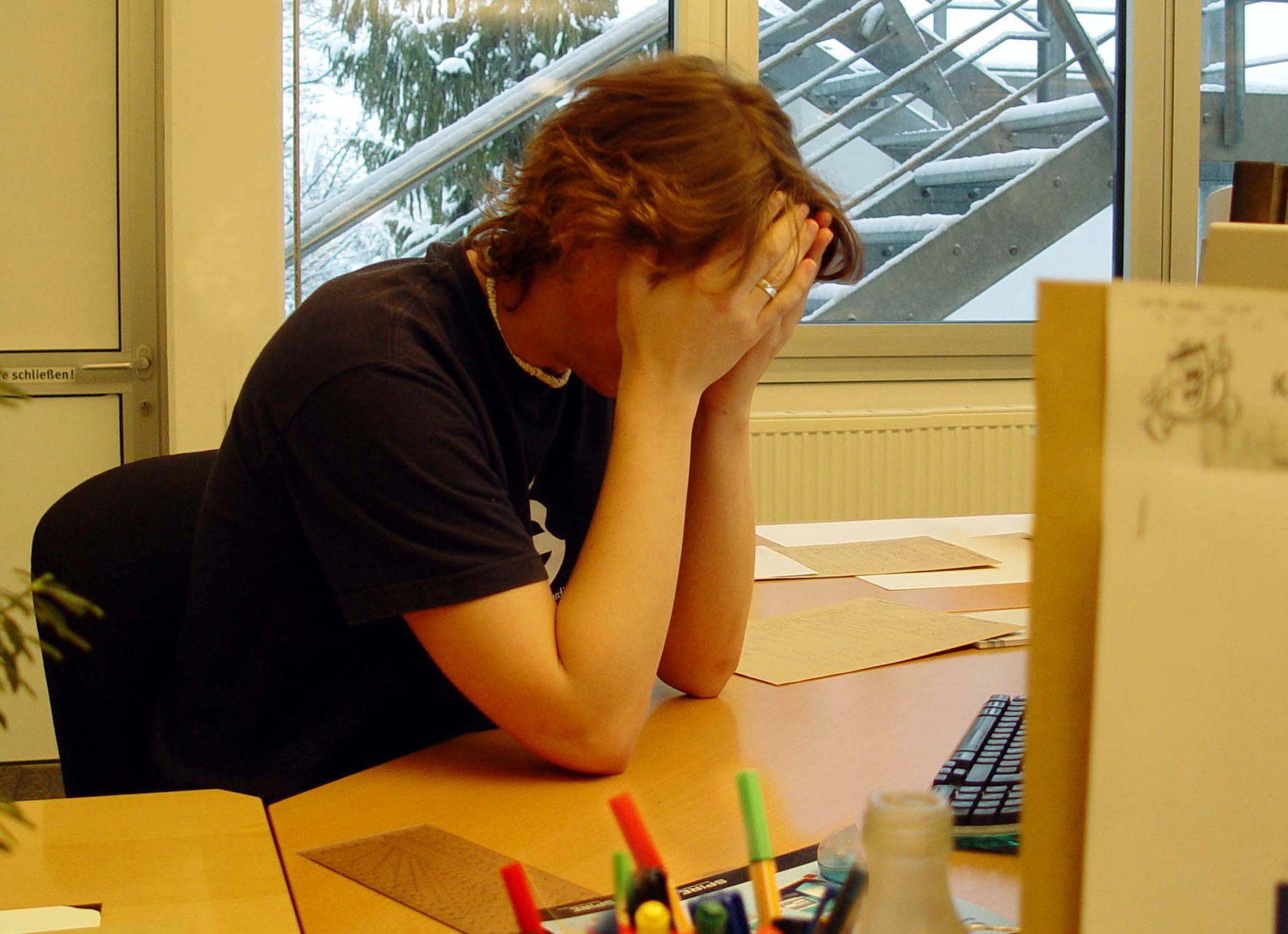
    Providing counselling services for expats in Stockholm, I’m often helping my clients to manage and find ways to relieve stress. This stress might be related to cultural factors including the difficulty many report in making friends with Swedes or it could be to do with a close relationship or marriage. It can be associated with a combination of factors, for example work pressure, unfulfilled hopes or plans, perceived expectations or the adjustment to a new life in Sweden. The impact of stress isn’t always obvious.

    People come to me wanting new ways to think or ‘mental tools’ for dealing with their circumstances. But regularly I meet people who so stressed-up, they can’t think so easily, in new ways or old. This article is about some very basic things you can do to manage stress. If that interests you, read on.

    Stressing out? Ask for a consultation now!

    5 Ways to Manage Stress

    Here are 5 fundamental steps you can take to start getting back in control of the stress in your life. These tips are recommended by doctors, psychologists and major organisations like the British NHS (National Health Service).

    1. Eat well.

    When we don’t refuel our bodies regularly, our physiology can go into a stressed state and our more subtle cognitive (thinking) capabilities can be adversely affected. It’s much harder to problem solve when hungry, for example. On the flipside, using food to numb emotions can lead to overeating and unintentional weight gain. Aim for a balanced diet and regular nourishment.

    2. Ensure you get enough sleep.

    Sleep is regenerative and gives us a chance to let go of tension. It’s the body’s passive way of regularly relieving the effects of stress and becoming refreshed by allowing the brain to go into ‘quiet mode’ so we regain physiological balance. Of course sometimes stress can also interfere with sleep, in which case we don’t get the regular physical and mental refreshment we need. If your sleep is affected, develop a routine to support sleeping (google ‘Sleep Hygiene’). Sleeping tablets are not an ongoing answer, but if you are severely sleep deprived, you might need to discuss this with a GP. There are also gentle herbal treatments that some people find helpful.

    3. Take regular exercise.

    Exercise is a great way to shake out the effects of stress. When we exercise, we are directly working on our physiology and we can reverse the automatic stress response that happens to us when we are under pressure. For those of us from warmer countries, in the winter it can be difficult to find the motivation to exercise in Sweden and not everyone lives in central Stockholm or has access to indoor gyms and fitness centres. But even a short walk can make a difference and is better than nothing.

    4. Put some structure in your day.

    We all need to offset work with rest and play. Again, this can be difficult for expats without strong social connections. When we are trying to do the same thing for too long each day, the consequences are usually boredom, frustration and irritability or depressed mood. Everyone has chores they have to do (things like shopping, cooking, cleaning, washing etc), but without the balance of imaginative activities, our stress reactions can take over. Planning some exercise, social activities and time for creative interests around your work and non-negotiable commitments will help to make sure you stay on top of stress.

    5. Talk about your problems.

    It might sound like a cliche, but sharing problems and feelings really is a release valve for stress. It works differently for different people. Writing in a journal or diary can be one way of expressing thoughts and feelings but it doesn’t necessarily give the sense of a listener being present. Talking with friends can provide an outlet for emotions. However many English speakers tell me they find it difficult to make friends in Sweden and you might not have been here long enough to establish trusting friendships. Or perhaps you want to discuss something you feel you can’t share with a friend and need someone who you can be sure will remain impartial and maintain your confidentiality. That is where a counsellor comes in.

    Some people tell me they just want to ‘dump’ what is happening for them, to ‘get it off their chest’ or make a confession about something they have been thinking about or doing. Others want a sounding-board (boll-plank in Swedish). Others want to have a good cry and to express how they feel. Some expats ask for help with decision-making or problem-solving. All of these are fine with me. The most important thing is: Don’t keep the problems to yourself!

    Vulnerability to Stress and Building Resilience

    Our vulnerability to stress and our coping skills for dealing with it can change with our circumstances. For example, people who have experienced trauma or child abuse when young sometimes have a heightened stress response to day to day events. But moving to a country like Sweden and adjustment to a new culture can involve a lot of stress as well. Building resilience to stress takes time. Don’t leave it too late to get help. If you are struggling with stress, make an appointment to discuss ways forward. If you are not sure, but think that managing stress might be a problem for you, contact me to find out how we might work together.

    Email for an appointment time

  • 10 Questions to Ask Your Prospective Counsellor or Therapist Who Works In English

    10 Questions to Ask Your Prospective Counsellor or Therapist Who Works In English

    Have you reached a turning point in your life and want to find a therapist who works in English? Do you need counselling for relationship issues, stress or a break-up? Or would you like to find an English speaking coach to improve life generally? Here are ten important questions to ask your prospective counsellor or therapist. I’ve provided my own answers to give you a sense of where I fit according to these criteria.

    1. How long was your therapy training?

    My therapy training commenced when I started training as a counsellor in 1989 and it has not stopped since! Over the last 30+ years I have undertaken Bachelors and Masters degrees in Social Work, specialist narrative psychotherapy training through the Dulwich Centre in Adelaide, Australia and completed many short courses and workshops in a range of therapeutic approaches. These include CBT (Cognitive Behaviour Therapy), DBT (Dialectical Behaviour Therapy) skills training, Mindfulness, Psychoeducation (including Motivational Interviewing), Stress Management, Anger Management, Relaxation Strategies, Problem Solving and therapy for adult survivors of child abuse.

    A good therapist does not stop his or her education simply when a qualification is achieved. Professional development must be ongoing. Each year I attend a number of training activities and conferences and regularly share the outcomes of these with my clients.

    2. Under which title, ‘coach’, ‘counsellor’ or ‘therapist’ would you be allowed to work in your own country?

    In both Australia and England, I am allowed to use all 3 of these titles: coach, counsellor and psychotherapist. In Sweden the title ‘psychotherapist’ (or psykoterapeut in Swedish) is a protected title and only practitioners licensed by the Swedish National Health and Welfare Authority – Socialstyrelsen – can use that title. I have not applied to be licensed as a psychotherapist in Sweden and instead refer to myself as a samtalsterapeut (counsellor) or narrative therapist who works in English. Psychotherapist training in Sweden is limited to certain methods or approaches and applicants for a Swedish license must demonstrate compliance with particularly Swedish requirements. I have found that most of the people who meet with me are far more interested in the benefits of a therapist who speaks their language and understands their culture than they are in meeting with someone who fits precise Swedish requirements or works through the Swedish healthcare system.

    3. How often do you have supervision?

    I generally attend supervision at least once a month and my commitment to supervision meets the recommendations of the AASW and BACP. Supervision for counsellors and therapists is not the same as supervision in a management situation. It means something completely different. It is about discussing professional issues in a structured way and ensuring the counsellor or therapist is taking care of their own well-being. It helps counsellors, psychotherapists, psychologists and social workers ensure their integrity and ethical practice. Counsellors and therapists in private practice will generally be paying for private supervision from a more or equally experienced person. I have such an arrangement with a more experienced practitioner and also engage in regular peer supervision with colleagues.

    4. How long have you been practising?

    I began practising as a counsellor in 1989 and have worked across the community, government and private sectors over the years. Since 2005 I have been specialising in mental health counselling and therapy. I commenced private practice as a therapist and mental health counsellor in 2008. I established myself as a therapist who works in English in Stockholm in 2010.

    5. As a therapist who works in English, what is your theoretical approach?

    My practice is informed by a range of theoretical approaches. When undertaking advanced therapeutic work with people, it tends not to be helpful to be limited to a singular technique or method. In Sweden, counselling and therapy is dominated by Cognitive Behaviour Therapy (CBT or KBT) and Psychoanalysis but there are many other ways of working together if these do not appeal to you. I am particularly drawn to dialogical and narrative practices and the work of a number of well-known therapists including Harlene Anderson, Johnella Bird, Art Fisher, David Epston, Michael White. I enjoy using the Self-Compassion model developed by Kristin Neff. If you would like more information about these approaches, I would be happy to send you some links if you email me for details.

    6. Do you offer a 50 or a 60 minute hour?

    My standard appointments are 60 minutes. I generally leave at least 15 minutes as a buffer between appointments so that we are not rushed. If I have more time available, I usually don’t mind if we continue a little longer if it is helpful to you.

    7. What do the initials behind your name actually mean?

    Currently the initials after my name are: BSocWk, MA, MSc, AMHSW. They stand for Bachelor of Social Work, Master of Arts, Master of Science and Accredited Mental Health Social Worker.

    8. Are you an accredited member of a professional organisation?

    Yes, as above, I am an accreditated member of the AASW in Australia. This accreditation means I have a qualification awarded by a professional association as a specialist mental health provider and can offer focussed psychological services under the Australian government Medicare program when I am meeting with clients in Australia (similar to the services provided by psychologists that are reimbursed by the government there). The AASW supports my practice in Europe and represents my professional interests, however unfortunately Medicare will not reimburse appointment fees unless both myself and my patient are in Australia.

    9. Do you need insurance to be a talk therapist who works in English?

    Yes, as an accredited social worker and member of the AASW, I hold both professional indemnity and public liability insurance.

    10. How much do you charge and do you accept insurance?

    You can see my consultation charges on my fees page. It is up to your insurance provider whether they will pay for my services. Many insurers will only pay for psychology providers they work with regularly. If your insurer or company agrees to cover the cost, you will need to pay for your consultation with me upfront and then claim back from them. One benefit of not using insurance is that our consultations will not be on your health record in Sweden or in your home country. If you require your invoice made out to a particular company name, please advise me in advance.

    Keep in mind that cost is just one factor to take into account when choosing a coach, counsellor or therapist who works in English. You might find better help from a more experienced practitioner.

    You can read more on the About Ash Rehn page. If you are interested in making an appointment, please contact me by email or phone. I’m happy to answer any further questions you might have.

  • Therapy for a Broken Heart, Separation or Relationship Breakdown

    Therapy for a Broken Heart, Separation or Relationship Breakdown

    How do you overcome a relationship breakup?

    Dealing with heartache. Coping with rejection. Recovering after splitting up. These are subjects about which I am regularly consulted as an English speaking therapist in Stockholm. And I wish there was a simple solution that worked for everyone. The good news is that most people find it helps to talk over matters of the heart. It’s even better when the person you are talking to really listens and asks some questions or offers some perspectives you hadn’t thought about before.

    Whether you have left a long term relationship or are struggling after a series of short romances that went bad, sharing the hurt and making sense of it can be part of getting your life back together.

    More information about separation counselling in Stockholm or online

    The Shock and Pain of Separation

    How long does it take to heal from a separation?

    There are no rules about the time it takes to recover from splitting up. In these situations it can help to throw out expectations about what is normal. Maybe you are dealing with loneliness or emotional pain and looking for coping strategies. And it can help to have some of these if you want to keep working, you have children to care for or you are just trying to hold your life together! But my experience is that coping techniques work best when they are adapted for each person. If they were the same for everyone, it would be easier to read a self-help book than see a relationship therapist.

    “Ja visst gör det ont när knoppar brister”  Karin Boye, Swedish poet

    A Coffee and a Chat, A Walking Companion or Making a Game Plan

    Private counselling is an opportunity to speak in confidentiality about things that you might not be ready to tell anyone else.

    The same approach to counselling or therapy doesn’t work for everyone. All kinds of people come to see me to discuss their relationship breakdowns – engineers, creatives, lawyers, psychologists, business people, researchers, teachers, athletes – and they are at all different places in terms of separating from their partners. Some people want advice about dating, some ask for CBT (cognitive behaviour therapy). Some are fine to talk (and sometimes cry) over a cup of tea or coffee. Others want to make a game plan about their recovery and I have a whiteboard in my room we can use for that purpose (you can even take a photo of it at the end of the session). And if you don’t feel like sitting still, you don’t have to; we can take a walk together and talk in the fresh air. I also work over webcam, so we can meet in Stockholm or online from wherever you are in Sweden or elsewhere in the world. My approach to talk therapy is flexible and responsive to the circumstances you bring to the consultation and your personal preference for the appointment.

    Don’t let doubt or indecision stop you considering your options or getting your life back. Contact me now for more information about my fees and services.

    Dealing with fears, feelings and emotions can be a collaborative process. Regardless of whether you have just separated from your sambo, are going through a divorce with your husband or wife, just adjusting to being on your own or ready to start dating again, conversations are therapeutic. Narrative Therapy offers an approach to talking about relationships that is quite unlike other therapy. People tell me that their friends always have advice but it is another thing altogether to confide in a therapist or work together to start feeling better.

    If you are unsure, you are welcome to write to me using this email form, and ask me any questions. You can also call and leave a message on 08-559 22 636 if you would prefer to speak in person (let me know the best times to return your call). I look forward to hearing from you.

  • Counselling for LGBT People in Stockholm: 5 Reasons to Choose a Gay Therapist

    Counselling for LGBT People in Stockholm: 5 Reasons to Choose a Gay Therapist

    When expats move to their new country, it can be an opportunity to make a new start. Sweden, with its relatively inclusive attitudes to lesbians and gay men, would seem like a natural choice for gay expats hoping to live their identity more openly. But coming out is often more of an ongoing process than a point in time.

    LGBT expats in Sweden experience the same difficulties as other immigrants with adjusting to Swedish culture, climate and maintaining relationships. But some aspects of the transition to Nordic life are often unexpected. It’s been suggested that the ‘Law of Jante‘ has Swedes downplaying differences in favour of viewing everyone as equals. And living in a city such as Stockholm where being gay or lesbian is generally not regarded as anything unusual might also mean that it is less likely previous difficult experiences will be acknowledged. One way of getting recognition of what you have endured is to speak to a counselling therapist who is understanding and supportive of gay identity.

    Coming Out

    Coming out as gay, lesbian, bisexual or transgender is often discussed as if it were an event. But it is more likely to be a series of events or an ongoing process that continues through life. Some would say we never stop coming out. Even in Sweden, we have a society where the heterosexuality is still the considered the norm and the assumption that a person is straight often goes unquestioned. This assumption is part of what has been called ‘Heteronormativity’, a way of thinking that also suggests people fall into distinct genders (man and woman) associated with specific gender roles. The reality of life is, of course, quite different. Humans are as diverse as other species so biologically, sexually, gender-wise and in terms of identity, there can be much individual variation.

    Making the decision to share your identity with others is a personal choice and needs to be treated as such. At the same time, the relief that comes with inviting others into your life can reduce anxiety and free up creativity. Talking about who you are and having an audience for your experiences is personally validating. Being able to be yourself around others is one of the rewarding aspects of living in Sweden that might be less possible in certain other places in the world.

    Coming Out Later in Life / Gay and Married

    For people who are older, coming out can be particularly challenging. I have spoken with many men who have decided, after years of marriage to a woman or having raised children in a traditional family, to explore other aspects of their sexuality and identity. Starting to identify as gay, bisexual or trans in your 40s, 50s or later can seem like entering a new world and an unknown world at that. If you are in this situation, it can be important to remember that you already know a lot about life even if the ‘world’ you are entering seems to have its own set of rules or conventions. Coming out after a straight relationship or later in life is a journey in itself. It can be helpful to have a gay counsellor to assist you to navigate the way forward.

    Gay Relationship issues

    Many of the individuals who consult with me at my practice at Hornstull or online are going through couples counselling, recently ended a relationship or are dealing with the aftermath of a break-up. It’s quite usual to have a difficult time when a relationship ends, and upset feelings can continue, especially when the end was unexpected or if you had been with your partner for a long time. If you are gay, lesbian or transgender, it can be therapeutic to talk about the feelings and to find a way forward with the help of a professional.

    For gay people, finding a partner in a ‘heteronormative’ world is not always easy. Gay Internet dating has become one of the most common ways to look for and find love but some argue that it has turned people into commodities that are marketed. Not everyone finds it easy to ‘sell’ themselves to others over the net. In Stockholm there are a few gay venues, social groups and sports organisations. And many people meet their partners through work or friendship networks. Taking the first step or returning to dating after a break might involve some effort and motivation, not to mention support.

    Family Relationships

    Lesbian and gay expats in Stockholm and elsewhere in Sweden, even those who have settled into life here, sometimes have unresolved family issues that may or may not be related to their sexuality. In terms of sexuality, it can help to know as much as possible about being gay and gay life in case the time comes when questions are asked. Family members can take time to adjust to a new understanding about their loved ones and people tend to learn acceptance at their own pace anyway. For those who are struggling with particular relatives, geographic distance can be both a blessing as well as a barrier to resolution. Having the ‘sounding board’ of a gay therapist might make a difference when exploring options.

    Dealing with Workplace Homophobia

    I’ve just attended the Nordic LGBT Business Leadership Forum, an event organised in Stockholm by IBM to promote discussion about how organisations can maximise the power of diversity in the workplace and translate it to success in the market. Companies based in Sweden are generally much more inclusive of transgender, lesbian and gay employees than in other countries but that doesn’t mean homophobia and transphobia in the workplace does not exist here. Workplace equality and inclusion also means being able to talk freely about what you did on your weekends (if you choose to). Dealing with workplace harassment or simply feeling at ease with your colleagues can be dependent on a number of factors and it is important not to blame yourself if you feel uncomfortable. If your job is stressing you out, make an appointment to talk about it and get it off your chest so that you can work out what to do.

    Finally, it is common for people to wait to come to see me until the point comes that they feel really bad about things. My advice is to act now instead of waiting. Often when you start discussing problems with a therapist, difficulties do start resolving themselves.

    Counselling in English in Stockholm has advantages and gay, lesbian, bisexual and transgender people are always welcome at Forward Therapy Stockholm. Just contact me by email or leave a clear message on 08-559 22 636 if you are interested in meeting at my office, walking talk-therapy or online counselling.

  • Anxiety and Regular Therapy in Stockholm: Temporary and Ongoing Solutions

    Anxiety and Regular Therapy in Stockholm: Temporary and Ongoing Solutions

    International relocation to Sweden is a major life change for most people, particularly if it is the first time they have moved somewhere English is not the first language. But for a person with persistent anxiety, the stress of finding accommodation, dealing with visa issues, trying to make friends and maintain relationships can make pre-existing worries feel much worse.

    How can regular counselling appointments help Anxiety?

    The advantage of building a relationship with a professional therapist or counsellor is that when things go ‘pear-shaped’, you have someone who knows you and can work in ways that suit your background and personality. Uncertainty coupled with the frustration of being in an unfamiliar place can lead to mood swings, irritation and sometimes a sense of despair or hopelessness. It can be reassuring to know there is someone in Stockholm or online who is willing to listen and help you through the transition of settling into life in Sweden or assist to deal with anxiety over the long-term, if that is what you want.

    Sometimes I am asked the question: Which is better, brief counselling or ongoing therapy? The straight answer to this is that they can both be helpful in their own ways. It really depends on what you are looking for. ‘Counselling’ is often the term to describe a series of appointments with a particular goal in mind like getting strategies to make it easier to talk to people at parties or ways to manage mood swings after a relationship break up. Sometimes particular methods like CBT (cognitive behaviour therapy) or breathing techniques can be employed to meet specific objectives. Counselling appointments can also be a means to access health education or relaxation techniques. A series of counselling appointments might last 6-12 sessions over 2-3 months.

    The word ‘therapy’ is usually used when people describe a process that takes place over a longer period, for example, from several months to a year. Therapy for anxiety can involve talking about previous life experiences and retelling these in ways that reflect new understanding or reveal skills and abilities that may not have been previously acknowledged. Or it can mean developing new approaches to fears or worries, putting these into practice, refining and modifying them over time while checking in with a therapist who helps monitor progress or maintain a sense of achievement. Of course some people choose to continue with their therapist even beyond a year. In this way, a therapeutic relationship can be akin to meeting regularly with a personal trainer, nutritionist or accountant. Ongoing therapy appointments aren’t just about solving problems. They can also be a way of maintaining your overall well being.

    These are generalisations of course. You can attend therapeutic appointments with me in Stockholm or have coaching and counselling over Skype webcam for as few or as many sessions as works for you. Both approaches are more than just listening, and ideally are more than just being given skills or techniques by the therapist. Counselling and therapy work best when they are a collaborative process where both you and I work together.

    What happens in Anxiety Therapy?

    The answer to this question really depends on you, your preferences, experiences, hopes and expectations for the appointments.

    I don’t work from a manual because people are not machines. While some of us have common experiences, we also have unique histories that require unique outcomes from therapy consultations. You might be someone who responds well to cognitive strategies and being offered new ways to think about distress and uncertainty. Or you might be looking for tools to modify your behaviour in  situations when nervousness takes over. Perhaps you just need a sounding board, to have someone hear what you are going through and ask questions so you can explain and understand your worries. Or maybe you just want to talk and get something off your chest?

    I work with anxiety and depression every day. I’m used to meeting with people who feel nervous and don’t know what to expect from the appointment. When you come to see me I will do my best help you to feel comfortable and talk freely. You can talk to me in English and take a break whenever you need. What you say to me is confidential and I am bound by ethics and membership of my professional association to maintain your confidentiality. The only exceptions to this are where there is a high risk to a person’s life, when a child is in danger or if the law orders me to report something in particular. But even in these circumstances I will always try to discuss my concerns with you first.

    There isn’t a set time frame for anxiety treatment. Adjustment to living in Sweden and culture-shock tend to require shorter term approaches than fears, hang-ups and suspicions that have been carried around for years. My intention is to provide you with a space where you can put down some of your psychological ‘baggage’, go through it with me, and decide what is useful and what isn’t. Together we can try to make sense of whatever is confusing you or holding you back so you can go forward. Hence ‘Forward Therapy’.

    Trust develops as we get to know each other. If you have had difficult or unhappy memories of therapy appointments in the past, I welcome you to share these with me to help me provide you with effective consultations.

    A Word about Drinking Alcohol and Stress

    It is very common for expats to seek help for problems with drinking too much. Alcohol can enable people to relax and unwind, particularly when they are finding their job (or unemployment) stressful, if they feel they are not meeting the expectations of their partner or having other relationship issues. Unfortunately, drinking can also lead to the other extreme, a total absence of control, anger and more regrets. But even when people are struggling with drinking they don’t always want to stop completely. I will work with what you want to achieve in terms of your alcohol use and what you are aiming for, whether it is just a reduction in how much you drink, changing when or under what circumstances you drink or ceasing drinking completely.

    We can meet in-person at my office in Stockholm, for Walking Talk-Therapy on Kungsholmen or over Skype webcam. If you would like to make an appointment, please contact me by email or leave a message on 08-559 22 636 for me to call you back.

  • Walking Talk Therapy for Mental Health in English in Stockholm

    Walking Talk Therapy for Mental Health in English in Stockholm

    The advantages of counselling and therapy shouldn’t just be psychological. Walking while talking is a new approach to talk therapy that benefits the body as well as the mind.

    As a therapist who personally enjoys exercise and the positive effects of movement, I was not surprised when I read in the Sydney Morning Herald about research that demonstrated sitting was bad for our health.

    I’ve written before about how exercise is important to both our physical and psychological health. Sitting for prolonged periods can reduce lifespan so decreasing our sitting time is just as critical to health as taking exercise. But modern lifestyles have many of us spending long work hours in front of our computers. It can be difficult to remember to take regular breaks let alone to keep moving our bodies.

    So I am now also offering counselling, coaching and therapy in English in Stockholm while walking outdoors. This is a unique service for Stockholm that fits with making it easier and more beneficial for people to meet with a counsellor.

    The Benefits of Walking Therapy

    Taking a walk each day can lift mood, free thinking and help us manage emotions. For some people, it can be a reasonable alternative to medication. But there are other advantages to therapy while walking outside as well. We know sunlight is important for production of vitamin D and general health. Talking with a counsellor while taking a walk treats your whole person, body, mind and spirit. The practice of walking itself can quieten thoughts and relieve anxiety. It’s refreshing, relaxing and the rhythm of a walk can also help to sort out problems.

    Like other forms of counselling, Walking Talk Therapy is an opportunity to discuss strategies, get things in perspective, or simply get a sounding board for the changes you know you want to make. Being out in nature is conducive to healing and improved mental health. Expats can speak English during the appointment and benefit both from the change of scene and a compassionate listening ear. People who have experienced disappointment, loss or even trauma may find that time spent in nature is therapeutic in itself. Those seeking to improve their physical health and motivation can find active consultations even better than sessions that are office based. So counselling appointments while you walk offer a combined form of treatment.

    With my Walking Talk Therapy in Stockholm, you are welcome to request help with the same kinds of goals or concerns you bring to office based appointments. Many people who come to see me talk about depression or anxiety, family and relationship issues. But the areas I specialise in include:

    How Does Walking Talk Therapy Work?

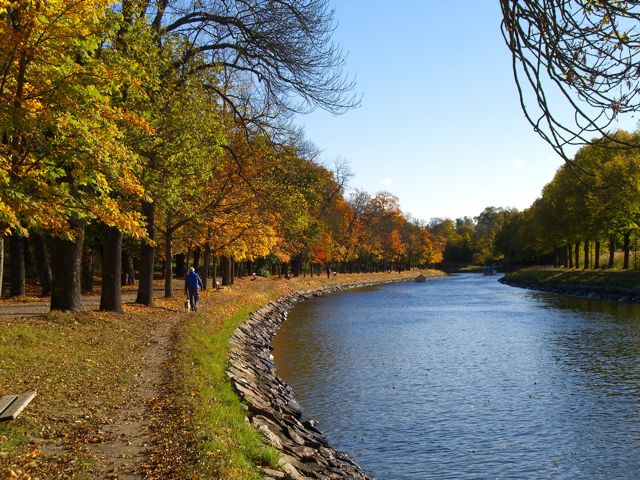
    Usually we start the first appointment in my counselling rooms on Kungsholmen in central Stockholm. If you decide to proceed with a walking appointment, we can go to Rålambshovsparken or along Norr Mälarstrand by Riddarfjärden. These parts of the island are quite beautiful throughout the year and provide plenty of open space for private conversations while walking. We can hold onto important points by jotting them down or taking an audio note as we go. Walking Talk Therapy is suitable for therapeutic approaches such as CBT (cognitive behaviour therapy) and narrative therapy.

    If the weather is bad we can still meet in the office. The Swedish have a saying “there is no bad weather, only bad clothing” but it is always your choice whether we go out for a walk or sit inside and chat over a cup of tea or coffee.

    So why not combine therapy and some exercise? It’s healthy, refreshing and better for both of us! For daytime appointments until 5pm you are welcome to choose a 50 or 75 minute consultation depending on how much time you have available.

    My goal is to make it easier for people to see me so, of course, if you prefer to sit comfortably and talk we can still do that. I still offer a range of options including online counselling over webcam from Stockholm or anywhere in Sweden.

    Call now on 08-559 22 636 and leave a message if I don’t answer.

    Or contact me through the form on my website for more details.

    I look forward to us walking together!