Tag: Expat

  • Working in Sweden: How Expats Handle Work Stress and Feel Seen

    Working in Sweden: How Expats Handle Work Stress and Feel Seen

    Feel invisible working in Sweden? You’re not alone. Here’s how to stay grounded, navigate cultural norms, and reconnect with your sense of self.

    You’ve landed your job, sorted your personnummer, and even mastered the subtle art of queueing in Swedish supermarkets. But at work? Things feel… off. You’re doing your job well — but somehow, they don’t see you. Not invited to fika chats. Not included in the easy banter. And when you speak up, your ideas seem to fall flat or get brushed aside.

    For many expats and foreign-born professionals in Sweden, the workplace can feel like a polite but impenetrable fog. This isn’t just about language — it’s about invisible norms, indirect feedback, unspoken expectations, and a cultural preference for low-key everything. If you’ve ever felt like you’re technically included but not really belonging, you’re not alone.

    Let’s unpack why this happens. Let’s consider what you can do to stay grounded, connected, and confident while working in Sweden in a system that might not see you as clearly as you’d like.

    1. A Culture of Consensus — and What It Doesn’t Say

    Swedish workplaces are known for their “flat hierarchies,” where the boss is more of a facilitator than a dictator, and decisions are made through group consensus. On paper, this sounds wonderfully egalitarian — but in practice, it can leave newcomers confused and out of sync.

    A woman with dreadlocks working on an imac beside a man who is also working in Sweden

    You’re unlikely to be given direct instructions or open praise while working in Sweden. This is not manipulation or coercive control. Feedback tends to be indirect, sometimes cloaked in silence. In meetings, people pause a lot. They speak softly. They leave long gaps. And if you come from a more direct or expressive work culture, you might read this as passive, dismissive, or even cold.

    The result? You might start second-guessing yourself — “Did I say too much?” “Was I too assertive?” “Did I just overstep?”

    This isn’t about doing it wrong — it’s about operating within an unfamiliar social grammar.

    Try this: Instead of trying to match Swedish indirectness, aim for respectful clarity. Express your ideas with warmth and openness, and then invite feedback gently. For example: “I have an idea I’d love your thoughts on…”

    2. When You Feel Like You’re Not Really There

    You might be showing up to work every day — contributing, collaborating, keeping pace — and still feel oddly invisible. It’s a kind of quiet exclusion, not always intentional, but real enough. You’re not being mistreated, but you’re also not quite part of the fabric.

    According to a BBC report, burnout and work stress in Sweden is on the rise. For many navigating expat work stress in Sweden, this sense of being on the outside looking in can build slowly. It’s not about one big moment, but a series of small silences. When they speak over you. When they don’t respond to your suggestions. When you realise you haven’t had a proper chat with anyone in days.

    Swedish work culture prizes independence and understatement. That means Swedes often save social energy for outside work hours, and even then, relationships take time. So if you’re feeling left out, know this: it’s not your fault — and you’re not alone.

    Try this: Don’t interpret distance as disapproval. Instead of withdrawing, consider gently naming what you’re noticing with someone you trust: “I’ve been trying to get to know people, but it’s been tricky. How do you usually build relationships here?”

    This is where therapy or coaching can help — not by fixing you, but by giving you a space to hear yourself think. As a counsellor, I often assist people feeling adrift while working in Sweden. Rumination, or overthinking, can actually create more stress. Whether you’re based in Stockholm or working remotely from elsewhere in Europe, having a sounding board — someone who listens with empathy and helps you make sense of what’s happening — can be a lifeline.

    3. The Social Side of Working in Sweden — And Why Fika Isn’t Just Coffee

    A group of colleagues working in Sweden at a table having fika together

    On the surface, fika is a coffee break — maybe with a cinnamon bun, maybe with some small talk. But beneath that, it’s a social ritual. It’s where Swedes build trust, bond, and — let’s be honest — some of the real decision-making happens.

    But for newcomers, fika can be confusing. You’re not always sure they are inviting you. You might feel like you’re intruding. You might sit down, then realise no one really talks to you.

    Understanding cultural differences in relationships is important. In a culture where emotional energy is often subtle, fika is paradoxically both low-pressure and high-stakes. It can be where you start to feel connected — or more left out than ever.

    Try this: Shift your goal from belonging to simply showing up. You don’t have to perform, just be present. Ask a question. Share something small. Familiarity, not flashiness, builds connection over time.

    In cities like Uppsala or Malmö, where international workers are common but social structures remain tight, these small acts of consistency help you ease into connection, on your own terms.

    4. Staying Grounded When You’re Questioning Your Value

    When your input is overlooked and your social cues don’t land, you may begin to question your value. This is especially true for foreigners working in Sweden who are navigating workplace silence.

    The danger is that you begin to shrink: you stop offering ideas, start editing yourself, and eventually retreat emotionally. It’s a quiet erosion of confidence.

    Try this: Anchor yourself in what you know to be true. Write down your values, your strengths, the things others have appreciated in you. These are reminders of your professional identity — they’re not up for negotiation.

    A group of colleagues working in Sweden sitting around a table while their workmate with red hair stands in the foreground.

    This is often the turning point when people seek therapy or coaching. Through regular conversations, I help clients rediscover their inner reference point. I offer encouragement and reflection, not performance tips. Just a place to reconnect with yourself.

    5. You Don’t Have to Fix Yourself to Fit In

    Sometimes the loudest message isn’t spoken: it’s the quiet pressure to adapt, to adjust, to tone yourself down. But adaptation is not the same as self-erasure.

    When working in Sweden, the ideal of ‘lagom’ — not too much, not too little but ‘normal’ — can feel hard to achieve. But you don’t have to erase your energy or personality to survive here.

    Try this: Think about how you can translate yourself, rather than change yourself. What environments support your confidence? What kinds of interactions give you energy?

    Whether you’re based in a startup in Gothenburg or working freelance from home, your sense of belonging doesn’t have to depend on others’ approval. It can grow from the inside out — with a little support.

    Final Thoughts: Finding Your Place Working in Sweden Without Losing Yourself

    You may have started working in Sweden with curiosity and hope, only to find yourself feeling invisible at your job. You’re not imagining it, and you’re not overreacting. Cultural norms can be subtle but powerful — and they affect how we see ourselves.

    Whether you’re navigating expat work stress in Sweden, trying to understand Swedish work culture, or just needing a safe space to process what’s happening, know this: you don’t have to figure it all out alone.

    I offer online counselling and coaching in English to individuals living across Sweden and Europe. Whether you’re in Malmö, Stockholm, Gothenburg or Uppsala, I’m here to help you reconnect with your confidence, find language for what you’re experiencing, and move forward with clarity.

    Try this: Book a consultation today. Let’s talk about what you’re facing — and explore what might feel possible next.

  • Therapy for Winter Depression or Seasonal Affective Disorder (SAD) in Stockholm

    Therapy for Winter Depression or Seasonal Affective Disorder (SAD) in Stockholm

    Depression? Seasonal Affective Disorder? The cold and darkness of Sweden at the end of the year is one of the hardest issues for expats. For those of us from relatively warm countries (take note Aussies and South Africans) and others who have never lived this far north, the Swedish climate can be a real shock.

    In Stockholm in December it is dark by early in the afternoon. I’ve talked to many expats who really struggle at this time of year. Some have even internalised the problem and have started to think they are depressed or have seasonal affective disorder (SAD). Actually, it is really normal and natural to have trouble with the Swedish winter even if you have been here a long time. I’ve gathered the advice of a range of expats and long term visitors to Sweden who I have met in my counselling work as a therapist. Here are their practical suggestions.

    1. Get Active

    Jawbone Up BandIt’s natural to not be as active at this time of year but it’s also good to still move your body. Too cold outside? Try training indoors. Friskis och Svettis offer lower cost fitness memberships that include classes for around 3000 crowns a year (even less if you are a student). That’s not even the cost of 1 glass of wine each week! And you don’t have to be particularly athletic to get something therapeutic out of a gym. Try a 30 minute brisk treadmill walk while listening to your favourite music on an iphone or mp3 player. Taking in the scenery of everyone else working out while you go at your own pace can make you feel alive again. Get a Jawbone and set a goal of 10,000 steps a day on your Jawbone. There are plenty of sports you can do in winter as well, like indoor volleyball and swimming. This is the time of year that hot saunas are really appreciated.

    2. Rug Up

    Feeling colder can make a difference to your mood so it is worth making the effort to be as warm and cosy as you can when you are walking around outside. We lose most of our body heat through our extremities so pull on a wooly hat that covers your ears (called a mössa in Swedish), gloves, warm footwear and a scarf. Have you discovered the advantages of long underwear yet? A decent winter coat is also helpful of course.

    3. Go easy on the grog (and the glögg)

    The end of the year is a time for celebration but keep in mind that alcohol is a depressant. Bottled spirits tend to lift our own spirits for a short time but the after effects can pull us down the next day or for several days after a few too many. Drinking more than usual will lead to swings in mood and, in the absence of other helpful strategies, some people develop a dependency on alcohol that can create real problems for them, their partners and families (and I am not referring to Systembolaget being closed on a Sunday). Other ways of picking yourself up include exercising regularly, spending time with friends, attending expat group events and…

    4. Getting yourself into the light

    phillips wake up lightFortunately Stockholm is not completely dark in winter (some places in Sweden are). But the daylight doesn’t last for long. Make sure you make the most of the light and walk around in it during the day if you can. There is some evidence that even a few minutes a day direct daylight on exposed skin (i.e. your face) can make a difference to your physiology and mood. It costs nothing but your time (most of which involves putting on and taking off your warm clothes). Some people use wake up lights and special desk lamps that reproduce the tone of daylight to enlighten their winter days. For example, the Philips Wake-Up Light (available here from Amazon) has a number of settings to replicate sunrise and and even a selection of natural sounds.

    .

    5. Make plans and look forward to them

    Fellow expats agree there is nothing like a break for a week or two somewhere warm and sunny to change your perspective. Swedes know the advantages of travelling during the darker months and flock to the Canaries (no pun intended!), Egypt and even farther destinations like India, Thailand and Vietnam during December and January. Book your tickets early to get the cheap deals. If you don’t mind the snow, there are some great ski-fields within Sweden. Or you can jump on a party boat to Helsinki, Tallin or Riga. If you can’t afford the time or cost of getting away, make plans to do some exotic activities at home or treat yourself to some special meals. Apparently the restaurant Koh Phangan on Skånegatan makes you feel you are really in Thailand.

    6. It’s okay to hibernate a little

    Winter is a time of closing down in contrast to the expansiveness of summer. In many ways we have lost touch with the natural rhythms that we see in the animal world. So what if you want to sleep 10 hours instead of 8? That’s how it goes with the cold and darkness. You aren’t depressed and you don’t need medication just because you don’t feel like going out and want to stay in bed more than usual. Lower your Expectations and stop giving yourself a hard time. You can make up for it in the Spring. That brings me to…

    7. Embracing the experience

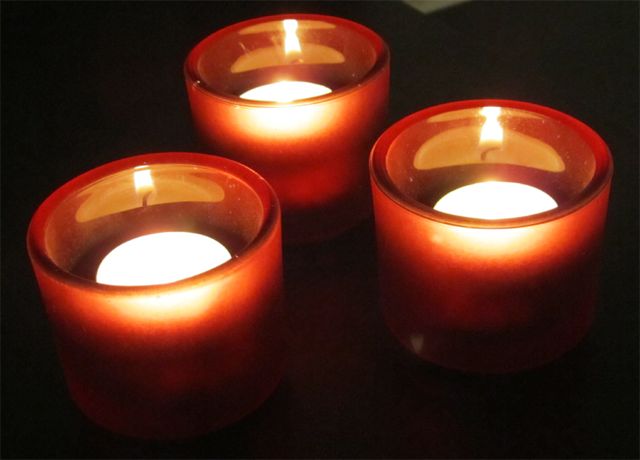
    Canon CameraIf you can’t beat it, make the most of it. Not all the Swedes take off to sun and sand in wintertime yet they still manage to stay sane and get on with their lives. It might take some time to get the knack of it but those who emigrated to Sweden a number of years ago tell me that there is something to be said for embracing the climate at this time of year. They have taken up photography or cross-country skiing (even with the skis that use little wheels when there is no snow), planned Melodifestival parties, visited the Christmas markets, lit up their apartments with small candles, played and recorded music, painted, drawn, read and written books. The Swedes are a nation of creatives. Even if you just document what you are seeing or hearing around you and how you are feeling in a journal or blog you will be in the company of many who have gone before you in the great musical, literary and artistic traditions of Scandinavia.

    8. Remember: It will pass!

    From 22 December the nights are shorter and the days start to get longer. When the snow arrives, it can make a difference as well, reflecting daylight or streetlights and generally making everything a bit brighter. Many people do find January is the worst month for them simply because they have endured the darkness and low temperatures for so long. So even getting a sense of the length of winter can help and this often happens for expats once they have been in Sweden for a couple of cold seasons.

    If being in Sweden has lost its purpose for you at this dark time of the year, maybe it is time for a meaning-recovering conversation over a hot cup of tea or coffee. Narrative therapy and other collaborative counselling practices can provide you with the opportunity to reconnect with your motivation and find a new lease of life to last through winter. If you want some practical help, together we can construct a plan or strategy to get you through to lighter times. Contact me through the website or call and leave a message on 08-559 22 636 if you would like to make an appointment.

    Thanks to Elin, Steve, Evelyn, Barbara, Marie, Matthew, Janet, Paul and Rob for their contributions as well as to all my clients who have found or are finding their own ways of dealing with the darkness and cold.