Tag: Aspergers

  • ChatGPT Isolation: Escaping the Trap of the Fake Therapist

    ChatGPT Isolation: Escaping the Trap of the Fake Therapist

    In today’s hyperconnected world, working remotely or for yourself might seem like the pinnacle of freedom. You imagine autonomy, flexibility, and the luxury of working from anywhere. But when you’re an expat living in Sweden or another non-English speaking country, and your closest coworker is an Artificial Intelligence (AI) chatbot, the risks of isolation can go far deeper than most people realise. ChatGPT Isolation describes what can begin as a practical convenience but slowly becomes a trap of emotional reliance and disconnection from real human support.

    Book an online session

    The Rise of ChatGPT Isolation and AI Companionship

    For many freelancers, remote workers, and digital nomads, tools like ChatGPT, Claude, and other generative AI systems have become a silent coworker offering feedback, summaries, or just the comfort of a reply. In moments of professional uncertainty or relationship loneliness, it can feel soothing to type out a worry and get a reassuring message back.

    A person looking into a chatbot interface symbolic of ChatGPT Isolation

    Generative AI is a powerful tool for productivity. But there is a growing body of evidence that this interaction, while seemingly helpful, comes with psychological risks:

    • MIT Media Lab researchers warn of “metacognitive laziness,” where users become less likely to think critically after prolonged AI reliance.
    • ABC News Australia and The Times UK suggest AI may be eroding writing skills, attention spans, and working memory.
    • Wall Street Journal article and follow up in Futurism and VICE describe the case of Jacob Irwin, who developed psychosis after becoming convinced that ChatGPT was a conscious being. Irwin, who had a history of autism spectrum traits and possibly ADHD, began to experience delusions, hallucinations, and an altered sense of reality that led to hospitalisation.

    As someone who works therapeutically with clients around the world, I’ve heard similar stories: individuals relying on AI tools as companions, using them to process emotions, or confiding in them as if they were therapists. These tools, no matter how articulate or responsive, cannot provide the co-regulation, reality-checking, or emotional nuance that a human can.

    Generative AI is a fake therapist.

    It’s important to acknowledge that for some neurodivergent individuals AI chatbots can feel like a safe and predictable interaction. People with autism, Aspergers, ADHD, or AuDHD in particular find ChatGPT helpful and supportive. These AI bots don’t require complex social navigation and can provide a sense of stability. For some, this is a lifeline. But it’s also a space that requires careful boundaries. AI can offer support, but it cannot replace real relational connection.

    Ask a question

    The Dangerous Allure of a Digital Listener

    What makes AI feel so comforting in these situations?

    • It replies instantly
    • It never judges
    • It seems knowledgeable
    • It mimics empathy

    But here’s the catch: it’s not listening. It doesn’t really know you, can’t challenge your distortions, and may reinforce your assumptions. ChatGPT Isolation means more than just social disconnection. It can hallucinate facts, offer incorrect advice, or perpetuate harmful ideas. And in the absence of real human interaction, it can deepen feelings of disconnection.

    A smartphone lying on a textbook introducing ChatGPT Isolation

    When you’re already working remotely, especially across time zones, in a foreign culture, or without regular social contact, AI can begin to fill the void. But it doesn’t actually close the gap.

    ChatGPT Isolation in Sweden: The Hidden Struggles

    Remote work in Sweden comes with its own particular set of challenges. Imagine living in a compact city apartment designed for warmth and cost-efficiency, but with little room to psychologically separate your work from your private life. Now add a Swedish winter: long, dark, and often silent. The stillness that initially feels peaceful can, over time, become isolating.

    Many expats arrive in Sweden to be with a partner, pursue a degree, or chase a change in lifestyle. They continue working remotely for organisations based in London, New York, Berlin, or Sydney, sometimes across vastly different time zones. This means late-night meetings, irregular sleep, and missing out on everyday social rhythms of local life. They may feel cut off from both their adopted home and their colleagues abroad.

    Language and cultural barriers only add to the sense of distance. Casual socialising can be difficult. Colleagues and acquaintances may seem polite but reserved. Meanwhile, behind the scenes, stress begins to build. You start sleeping poorly. You feel unnoticed. Your sense of purpose gets hazy. And in the quiet hours, you might begin to confide more in a chatbot than a real person.

    Make a time to meet online

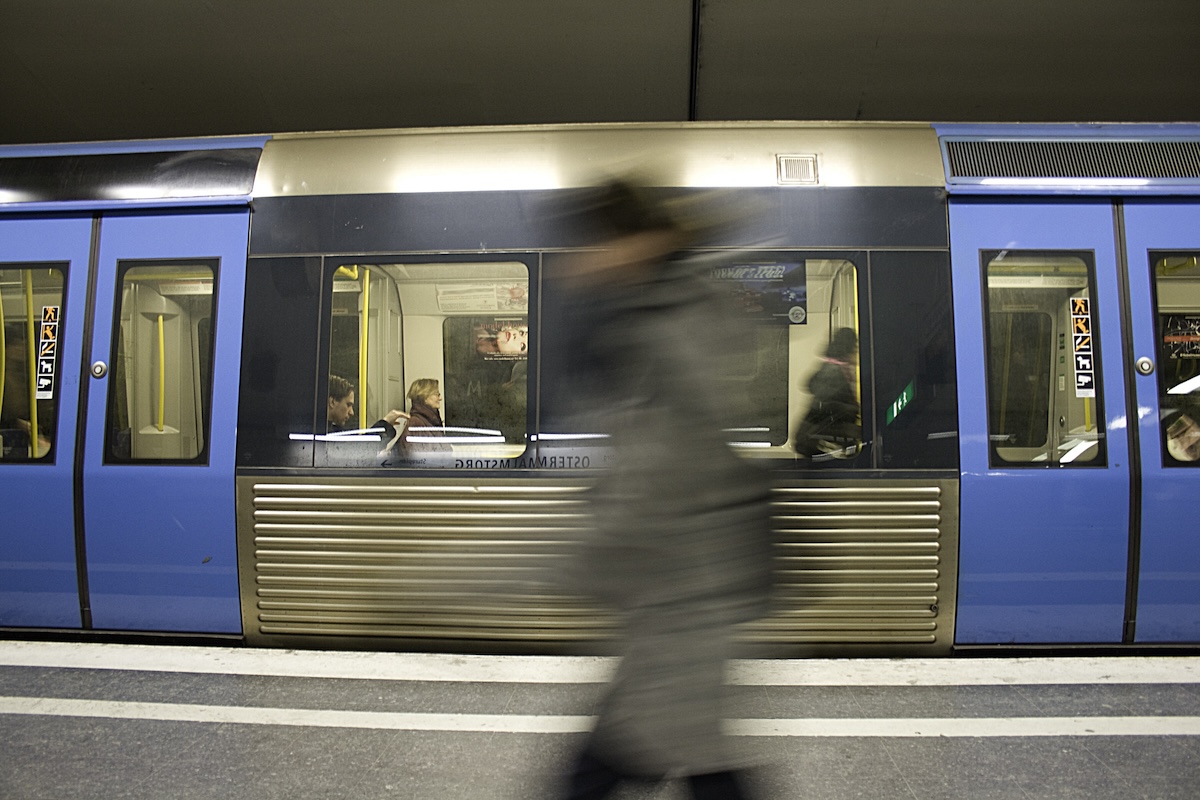
    A person alone on a Swedish train platform on a winter day while it is snowing

    The Illusion of Freedom

    From the outside, remote work and self-employment seem liberating in comparison to the stress of a Swedish workplace. But many find there’s no “off switch”. Your living space becomes your workplace. You’re your own harshest boss. And relationships strain under the weight of unspoken needs.

    Even in urban hubs like Stockholm, Malmö, and Gothenburg, you can go weeks without a real conversation beyond a Slack message or chatbot reply. And if you’re living in towns like Umeå, Kiruna, Borås, Örebro, Lund or other places known more for their calm than their community, those feelings can grow even more intense.

    If you’re struggling emotionally, it can be hard to know where to turn. Many English-speaking expats don’t feel comfortable navigating the Swedish healthcare system, or find it difficult to get timely appointments with a GP or therapist. In summer, much of the country slows down entirely. You might find yourself feeling lost just when you need support the most.

    Real Human Help Beats ChatGPT Isolation

    As an English-speaking therapist and coach who works online across Sweden and internationally, I help remote workers and expats:

    • Talk through isolation and its ripple effects
    • Make sense of the “AI companionship” trend and how to relate to ChatGPT Isolation more mindfully
    • Navigate relationships that are affected by long-distance dynamics or different cultural contexts
    • Deal with emotionally distant partners including gaslighting and coercive control
    • Build routines that affirm identity, rhythm, and purpose
    • Reconnect with what’s real and sustaining in life

    I offer after-hours counselling and coaching in English from the convenience of your own home or office.

    A man on the phone while holding a baby by his laptop in a kitchen

    Let’s Take the First Step Towards Ending ChatGPT Isolation

    If you’re feeling emotionally over-reliant on AI, disconnected from those around you, or unsure how to build a more grounded life in Sweden or wherever you’re living. Don’t wait until you crash.

    Find out about fees or check out available appointment times.

    You deserve better than silence, burnout, or artificial empathy.

    Reach out now to book a session. I offer regular check-ins, supportive therapy, and collaborative strategy work to help you reconnect with yourself and others.

    You don’t have to do this alone. Let’s talk.

  • Mental Health in Sweden: Normal Behaviour Becoming Harder to Achieve

    Mental Health in Sweden: Normal Behaviour Becoming Harder to Achieve

    Is psychological disability in Sweden really stopping so many from working?

    (Update from June 2013: This post is actually about the pathologising of human experience: how more and more people are being labelled as ‘disordered’ or ‘deficient’ by the psychiatric profession in Sweden and the expectation that individuals fit with certain norms of behaviour. Some bloggers have attempted to use my words as evidence that Sweden is suffering from collective mental breakdown due to a breakdown of gender expectations and norms. I am certainly NOT suggesting that. If anything, taking a more gender neutral approach in education and other social functions has contributed to greater personal freedom for Swedes. However there is an increasing requirement for individuals to be diagnosed with an illness or disability in order to access support. Read on for more…)

    The Swedish newspaper Dagens Nyheter has run a story about the sharp increase in numbers of young people leaving work and put onto disability pensions (known as ‘activity support’ for those under 30 and ‘sickness benefits’ for those 30-64).

    Fewer young people are returning to employment after being pensioned off work, a phenomenon that has been referred to as a ‘ticking time bomb’ in view of the fact that many may be destitute by the time they are 30.

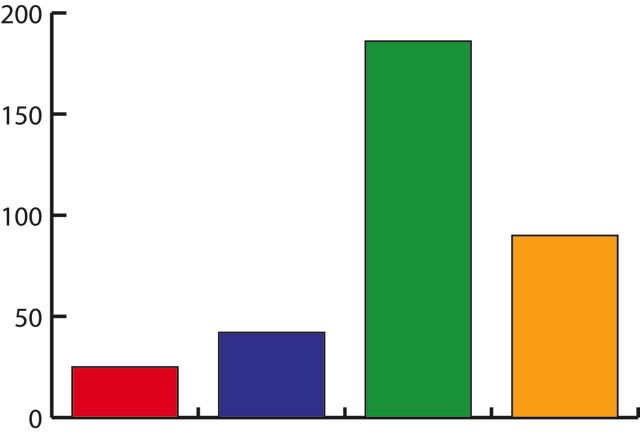
    Sweden is not alone here. There were increases in young people starting on disability support in other Scandinavian OECD countries between 1995 and 2007. In Finland the increase was 5 percent, in Denmark 10 percent but Sweden had a massive 80 percent increase! That’s almost 30,000 people under 30 in Sweden who are on a disability pension.

    Psychiatric Disorders Becoming More Common in Sweden

    So why the huge increase? Well 73% of those young people have been given medical psychiatric diagnoses such as autism, ADHD and Aspergers. Could it really be that Sweden had such a rise in psychiatric disorders and mental disabilities compared to our Nordic neighbours? Is it something in the water?

    As a counsellor, therapist and coach, I am often asked about such diagnoses and the increases. I think people expect me to say something about teenage computer gaming culture or genetics or to applaud the ‘science’ responsible for discovering such a vast previously undiagnosed population.

    But what I see happening in Sweden is that so-called ‘normal’ behaviour is becoming more defined. The goal posts for what is considered normal are being brought closer together. The tolerance for non-conformity and extremes of mood and behaviour is reducing. It is becoming harder to be ‘lagom’!

    In Sweden, psychiatric health has been constructed as a medical problem. Both anxiety and depression are treated primarily with medication. But drugs are also heavily prescribed for those whose attention, communication techniques or social skills fall outside what is measured to be the norm. And unfortunately, those norms are progressively less accommodating.

    There’s no doubt that the pathologising of human experience is increasing in many countries. More people are being diagnosed as depressed, anxious, having a mental disability or disordered in some way. And this corresponds to increasing expectations that we fit prescribed ways of being and relating to each other. In workplaces and schools across Australia, the United Kingdom and America, more standards of performance are being established and procedures for selection are becoming more sophisticated.

    Fortunately, not all mental health, psychotherapy or counselling practitioners favour responding to diversity with drugs or exclusion and many take a more norm-critical approach. Narrative therapy, Open Dialogue and other collaborative therapeutic practices are approaches which honour what people have to say about their own experience, rather than categorise us using medical terminology.

    My hope is that eventually the doctors, psychiatrists, psychologists, therapists and others responsible for measuring, diagnosing and categorising people will see the limitation of these practices. I look forward to a new era when Swedish society ceases to be obsessed with locating its deficits and deficiencies but instead acknowledges the unique skills, competencies and abilities of all individuals. A time when the expertise we bring to life’s challenges is respected and valued by the health professionals we consult and diversity is appreciated rather than shunned. Perhaps then we will see more young people participating in the workforce in Sweden.